For manufacturers and wholesale distributors, equipment is often the backbone of the operation.
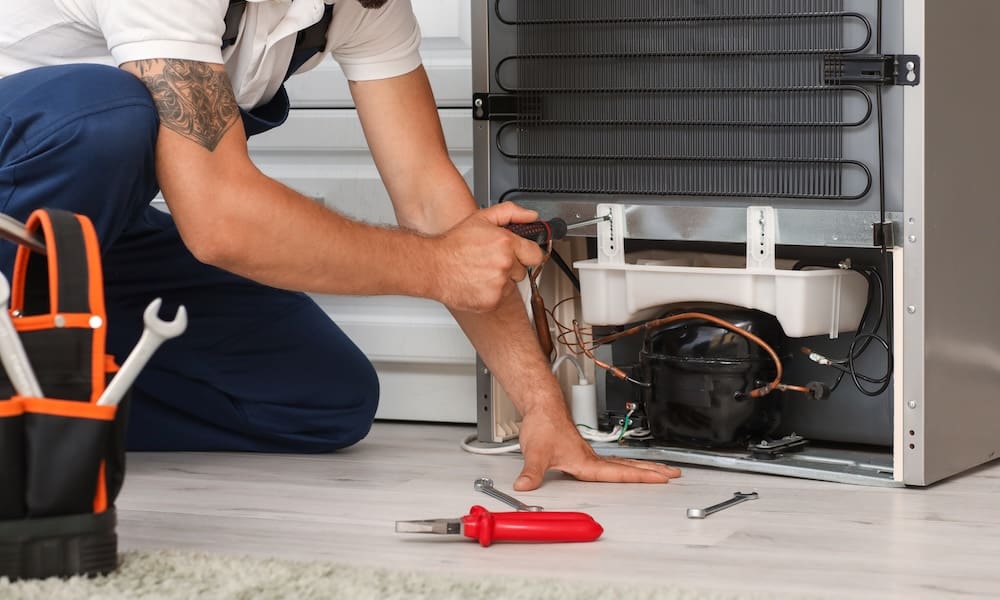
Production machinery, electrical systems, HVAC equipment, refrigeration units, boilers, compressors, and computerized equipment all play a role in keeping products moving and customers supplied.
But what happens when one critical piece of equipment suddenly fails?
The cost to repair or replace the machine may only be the beginning. Lost production, spoiled inventory, missed orders, overtime, temporary equipment, and customer delays can quickly turn an equipment failure into a much larger financial loss.
That is where Equipment Breakdown coverage can become an important part of a commercial insurance program.
Property Insurance Does Not Cover Every Type of Equipment Loss
One common misconception is that a standard Commercial Property policy will cover anything that happens to machinery or equipment inside the building.
That is not necessarily the case.
Commercial Property insurance generally responds to covered causes of loss such as fire, wind, theft, and certain types of water damage. However, mechanical breakdown, electrical failure, pressure system failure, and other internal equipment problems may not be covered in the same way.
Equipment Breakdown coverage is designed to help address that gap.
Depending on the policy, coverage may apply to sudden and accidental breakdowns involving equipment such as:
-
Production machinery
-
Electrical panels and systems
-
Boilers and pressure vessels
-
HVAC systems
-
Refrigeration equipment
-
Compressors
-
Motors and pumps
-
Computerized production equipment
For a business that depends heavily on machinery, understanding how these exposures are insured is critical.
Consider What Happens After the Machine Stops
Imagine a manufacturer relies on one critical piece of machinery to complete a major part of its production process.
An electrical failure damages the machine and production stops immediately.
The repair costs $40,000.
That alone is a significant expense, but the repair takes two weeks because a specialized replacement component must be ordered.
During those two weeks, the company cannot complete customer orders at its normal pace. Employees are still being paid. Rent, utilities, loan payments, and other expenses continue. Some customers begin looking elsewhere because their orders are delayed.
Suddenly, the $40,000 equipment loss has created a much larger business interruption problem.
This is why Equipment Breakdown should not be viewed solely as insurance for repairing machinery.
The real exposure may be the financial chain reaction that follows the breakdown.
Business Income Can Be Just as Important as the Equipment
When critical equipment fails, one of the first questions should be:
How long can the business operate without it?
Equipment Breakdown coverage can often be structured to include Business Income and Extra Expense protection following a covered breakdown.
Business Income coverage can help replace lost income while operations are interrupted. Extra Expense coverage may help pay for additional costs incurred to reduce the length or severity of the shutdown.
Depending on the circumstances and policy terms, that could include expenses associated with:
• Renting temporary equipment
-
Expediting replacement parts
-
Outsourcing production
-
Relocating certain operations
-
Paying additional labor costs
-
Taking other reasonable steps to resume operations sooner
For many manufacturers, getting back into production quickly can be just as important as repairing the damaged equipment.
What About Spoiled or Damaged Inventory?
Equipment failure can also affect inventory.
Consider a distributor storing temperature-sensitive products. If a refrigeration system suffers a covered breakdown, the equipment itself may not represent the largest loss.
The inventory inside could be worth significantly more.
Depending on the policy and endorsements selected, Equipment Breakdown insurance may provide protection for spoilage or other property damage resulting from a covered breakdown.
Businesses that rely on refrigeration, climate control, or specialized storage conditions should pay particularly close attention to this exposure.
Equipment Breakdown Is Not Maintenance Coverage
There is an important distinction between a sudden equipment breakdown and normal wear and tear.
Insurance is not intended to replace routine maintenance.
A machine that gradually deteriorates because of age, corrosion, poor maintenance, or ordinary wear may not trigger coverage simply because it eventually stops working.
That makes preventative maintenance an important part of risk management.
Manufacturers and distributors should maintain service records, follow recommended maintenance schedules, inspect critical equipment, and develop contingency plans for machinery that could significantly disrupt operations if it failed.
The best insurance program works alongside good risk management, not in place of it.
Identify Your Operational Bottlenecks Before a Loss
One useful exercise for any manufacturer or distributor is to identify the equipment that could create the greatest disruption if it suddenly became unavailable.
Ask questions such as:
-
Which machine is most critical to production?
-
Is there backup equipment available?
-
How quickly could replacement parts be obtained?
-
Does any equipment require specialized technicians?
-
Could production be outsourced temporarily?
-
How much revenue could be lost during a one-week shutdown?
-
What would happen if the interruption lasted 30 days?
-
Are current Business Income limits sufficient?
These conversations can reveal vulnerabilities that are easy to overlook when everything is operating normally.
Celtic Shield Can Help
At Celtic Shield Insurance Group, we work with manufacturers and wholesale distributors to look beyond the replacement value of buildings and equipment.
We want to understand how the business actually operates, which equipment is critical, where production bottlenecks exist, and what the financial impact could be if operations suddenly stop.
Equipment Breakdown, Business Income, Extra Expense, spoilage, and Commercial Property coverage should work together as part of a broader risk management strategy.
Because when one machine can stop an entire operation, protecting the machine is only part of the solution.
📞 If your business depends on specialized equipment to manufacture, store, or distribute products, October is a great time to review what would happen if your most important piece of equipment stopped working tomorrow.