Summer has long been the busiest time of the year for contractors. Jobsites are active, equipment is constantly moving, and subcontractors are coming and going. Unfortunately, these same conditions also create the perfect environment for theft, accidents, and costly liability claims.
Many contractors spend thousands of dollars protecting their equipment and training their crews, but a single uninsured loss can erase years of hard work. Taking a proactive approach to insurance and risk management can help prevent one bad day from becoming a major financial setback.
Jobsite Theft Continues to Rise
Construction equipment remains one of the most attractive targets for thieves. Power tools, trailers, skid steers, generators, compressors, and other valuable equipment are often left on jobsites overnight, making them easy targets.
According to industry estimates, jobsite theft costs the construction industry hundreds of millions of dollars every year. In many cases, stolen equipment is never recovered.
Contractors can reduce their exposure by:
• Locking equipment in secured trailers or fenced compounds
• Installing GPS tracking devices on high-value equipment
• Using cameras and adequate lighting whenever possible
• Keeping an up-to-date inventory of tools and equipment
The better your documentation, the easier the claims process becomes if a loss occurs.
Inland Marine Coverage Protects More Than You Think
One of the most common misconceptions is that a commercial property policy automatically covers tools and equipment away from your business location.
In most cases, it does not.
That is where Inland Marine coverage becomes critical.
An Inland Marine policy can help protect:
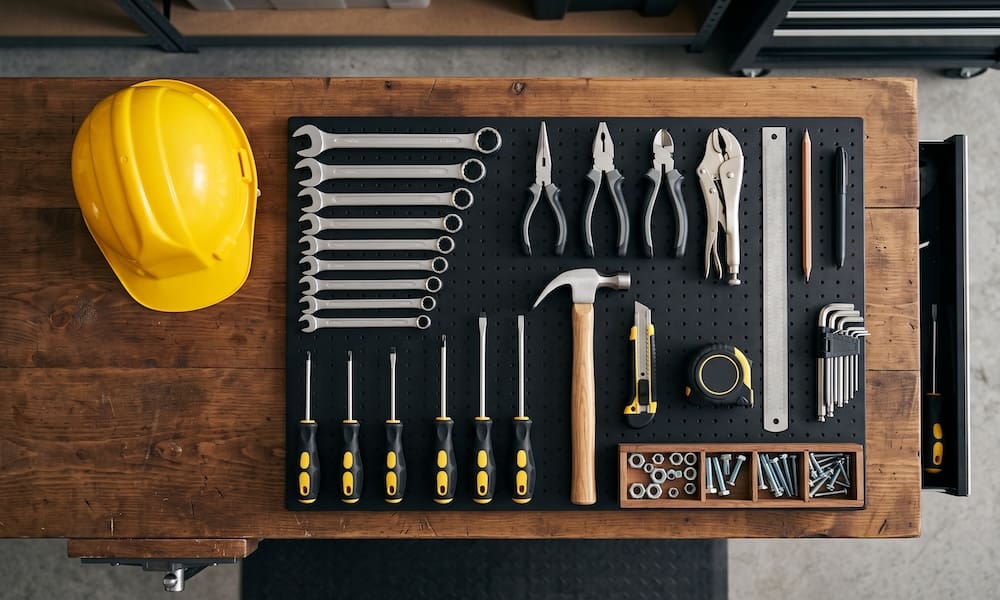
• Hand tools
• Power tools
• Contractor equipment
• Mobile machinery
• Equipment while in transit
• Equipment stored at temporary jobsites
As your business grows, it is important to periodically review equipment schedules and values. New purchases, rented equipment, and inflation can quickly leave contractors underinsured.
Uninsured Subcontractors Can Create Expensive Problems
Subcontractors help contractors meet demanding schedules, but they also introduce additional liability.
If a subcontractor does not carry adequate General Liability or Workers Compensation insurance, your business could find itself drawn into a claim that should never have become your responsibility.
Before work begins, contractors should always:
• Obtain current certificates of insurance
• Verify General Liability and Workers Compensation coverage
• Confirm policy limits meet contractual requirements
• Track certificate expiration dates
A certificate should never be viewed as a one-time document. Coverage can change throughout the year, making ongoing monitoring essential.
Contracts Matter Just As Much As Coverage
Insurance policies and construction contracts should work together.
Many contractors focus on obtaining certificates while overlooking the actual contract language. However, indemnification agreements, additional insured requirements, waivers of subrogation, and hold harmless provisions all play an important role in determining who ultimately bears responsibility after a claim.
Reviewing contracts before signing them can help identify insurance requirements that may not match your current program.
An experienced insurance advisor should be able to review both the policy and the contract to ensure they work together.
Celtic Shield Can Help
At Celtic Shield Insurance Group, we help contractors throughout Pennsylvania protect more than just buildings and equipment. We help protect the business you have worked hard to build.
Whether you need assistance reviewing subcontractor agreements, verifying insurance requirements, evaluating Inland Marine limits, or identifying coverage gaps before a project begins, we are here to help.
📞 If your crews are working hard this summer, now is the perfect time to make sure your insurance program is working just as hard for you.